

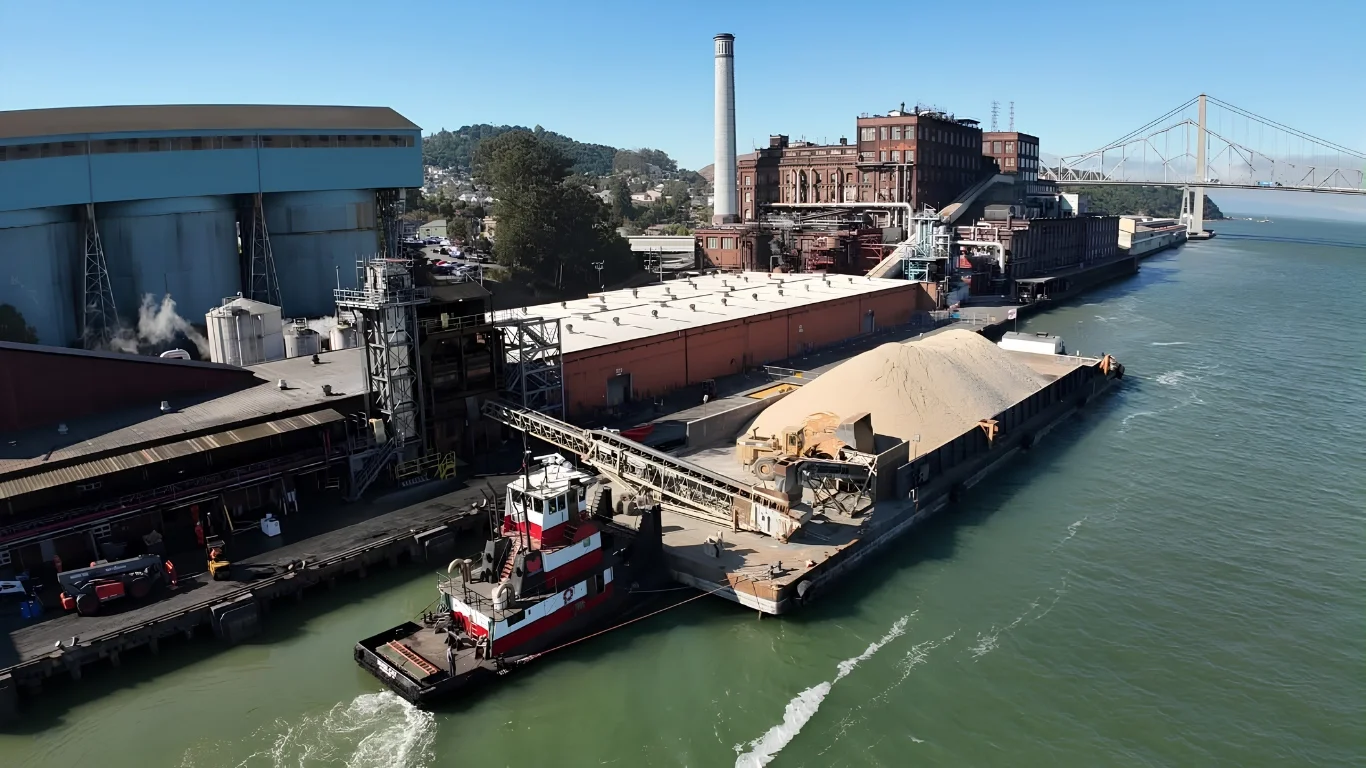
Marine projects often require more than vessels, crews, and equipment. They also require secure, accessible space near the water to stage materials, store cargo, and keep operations moving efficiently. That is where waterfront storage becomes an important part of the logistics plan.
For contractors, vessel operators, shipping agents, and project managers, reliable waterfront storage can help reduce delays, improve organization, and simplify the movement of materials between land and water.
What Is Waterfront Storage?
Waterfront storage refers to secure storage space located near docks, piers, or active marine facilities. This space may be used for construction materials, equipment, cargo, supplies, vessel stores, or project assets that need to stay close to the water.
For projects in busy regions like the San Francisco Bay, access to San Francisco waterfront storage or Bay Area waterfront storage can make it easier to coordinate vessel loading, barge staging, and marine transportation.
Why Location Matters
Marine logistics depend heavily on timing. If materials are stored too far from the waterfront, project teams may face added trucking, traffic delays, loading challenges, and scheduling issues.
Waterfront storage helps keep materials closer to the vessels, barges, and crews that need them. For projects involving San Francisco pier moorage, dockside access, or vessel support, having storage nearby can reduce unnecessary movement and keep operations more efficient.
Supporting Marine Construction Projects
Waterfront storage is especially helpful for marine construction projects. Contractors often need space to hold materials, tools, and equipment before they are moved onto a barge or delivered to a job site.
This can support:
Bridge and pier construction
Dredging support
Marine infrastructure repairs
Waterfront development
Equipment staging
Material deliveries
For teams managing Bay Area marine construction, waterfront storage creates a practical connection between land-based project planning and on-water execution.
Improving Cargo and Freight Handling
Marine projects often involve shipments from multiple vendors, oversized cargo, or materials that need to be consolidated before transport. Waterfront storage gives teams a central location to receive, organize, and prepare these items.
This can be especially useful for vessel supply deliveries, freight forwarding, ship stores, construction materials, and cargo that will be transferred directly to barges or vessels.
When paired with Bay Area marine transportation services, waterfront storage can help streamline the movement of goods across the San Francisco Bay and beyond.
Reducing Delays and Improving Project Flow
Without nearby storage, small delays can quickly impact the larger project schedule. Trucks may arrive late, materials may be difficult to stage, or crews may lose time waiting for equipment to reach the dock.
Waterfront storage helps project teams stay organized by keeping materials close, accessible, and ready when needed. This can improve coordination between contractors, warehouse teams, tug crews, barge operators, and vessel personnel.
A Smarter Approach to Marine Logistics
Waterfront storage may not always be the first thing considered when planning a marine project, but it can have a major impact on efficiency. When storage, dock access, and vessel logistics are connected, projects are easier to manage from start to finish.
For contractors and vessel operators working across the Bay Area, reliable waterfront storage can support smoother scheduling, better cargo handling, and more efficient marine operations.
If your project involves materials, equipment, cargo, or vessel support near the water, understanding your waterfront storage options is a helpful place to start.
Learn more at westarmarineservices.com
