

How to Plan a Marine Project from Start to Finish
Planning a marine project involves more than scheduling crews and equipment. From waterfront construction to vessel transportation and offshore operations, successful projects require careful coordination, reliable marine support, and a clear understanding of the working environment.
For contractors, shipping companies, and project managers across the San Francisco Bay Area and beyond, knowing what to plan for can help reduce delays, improve safety, and keep operations moving efficiently.
1. Define Your Project Requirements
Every marine project starts with understanding the scope of work. Will you need to transport heavy materials, move equipment by barge, access an offshore site, or coordinate multiple vessels?
Identifying these needs early helps determine the right equipment, personnel, and timeline.
For projects involving Bay Area marine construction, contractors should consider site accessibility, cargo requirements, vessel access, and potential logistical challenges before operations begin.
2. Determine the Right Marine Equipment
Different projects require different vessels and equipment. Depending on the operation, marine support may include:
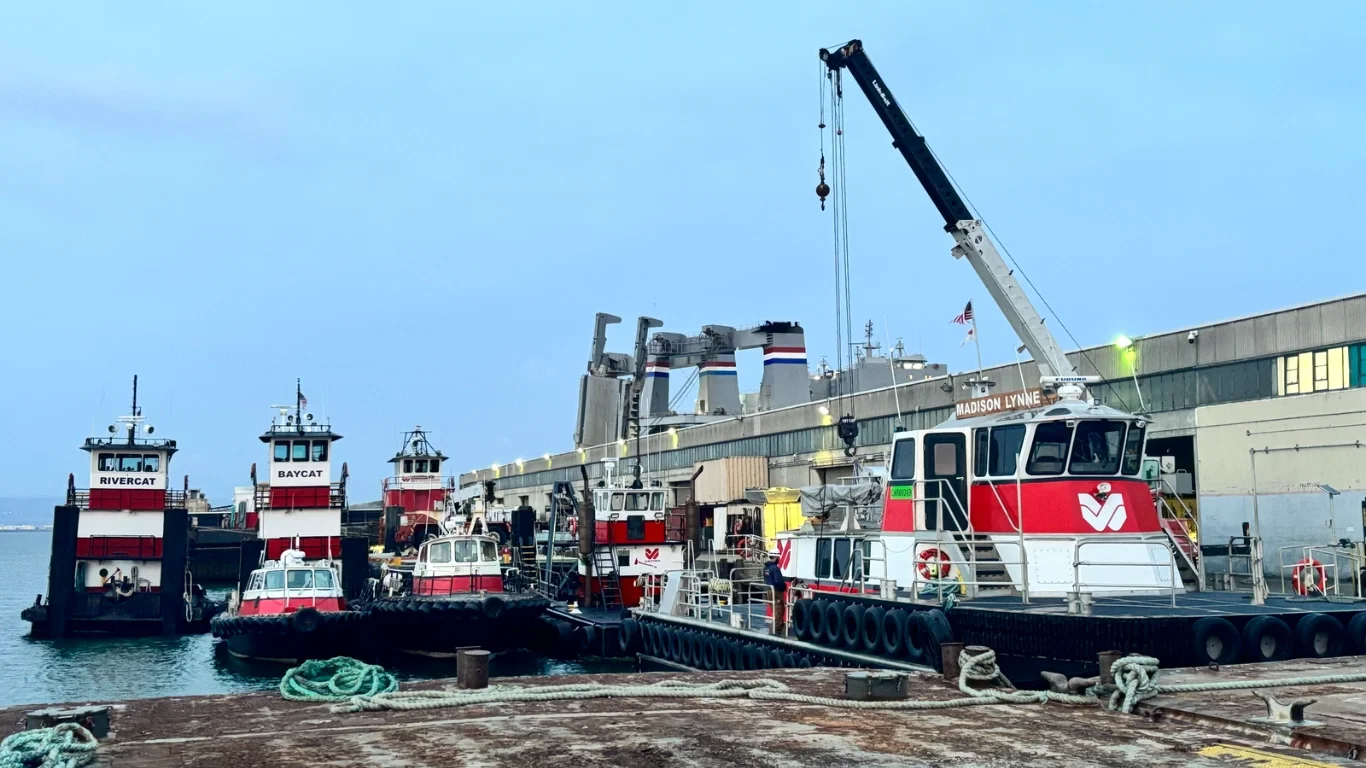
Tugboats for towing and vessel positioning
Barges for material and equipment transportation
Water taxis for crew transfers
Marine cranes for heavy lifting
Dockside storage and staging facilities
Whether your project requires San Francisco Bay barge rental or Bay Area tugboat support, choosing equipment suited to the job is essential for safe and efficient operations.
3. Plan for Site Access and Environmental Conditions
Working on the water introduces challenges that land-based projects may not face. Tides, currents, weather, vessel traffic, and waterfront access can all affect project timelines.
Marine contractors should also identify applicable permits, environmental requirements, and navigational restrictions before work begins.
Careful planning helps minimize unexpected delays and ensures operations are coordinated with local authorities and other waterfront users.
4. Coordinate Transportation and Scheduling
Marine projects often involve multiple teams, vessels, suppliers, and delivery schedules. Clear communication is essential to keeping everything organized.
This may include coordinating barge movements, arranging crew transportation, staging equipment near the waterfront, and scheduling deliveries around vessel availability.
For larger projects, dependable Bay Area marine transportation and waterfront logistics help connect each stage of the operation.
5. Prioritize Safety and Communication
Safety should remain a priority throughout every marine project. Before operations begin, teams should establish clear responsibilities, communication procedures, and contingency plans.
Experienced marine support providers help contractors coordinate vessel movements, adapt to changing conditions, and maintain safe operations around active waterways and construction sites.
6. Prepare for Project Completion
Marine logistics remain important even after the primary work is finished. Equipment may need to be removed, barges returned, materials transported, and temporary staging areas cleared.
Including these final steps in the original project plan helps avoid unnecessary delays and ensures a more organized completion process.
Supporting Marine Projects Across the West Coast
From marine construction and infrastructure improvements to barge transportation and offshore logistics, every successful project depends on careful preparation and experienced coordination.
Westar Marine Services supports contractors and maritime operators with tugboat services, barge transportation, crew transfers, marine construction support, and waterfront logistics across the San Francisco Bay Area and along the West Coast.
Planning a project on or near the water? Explore how Westar can support your marine logistics needs at westarmarineservices.com.
